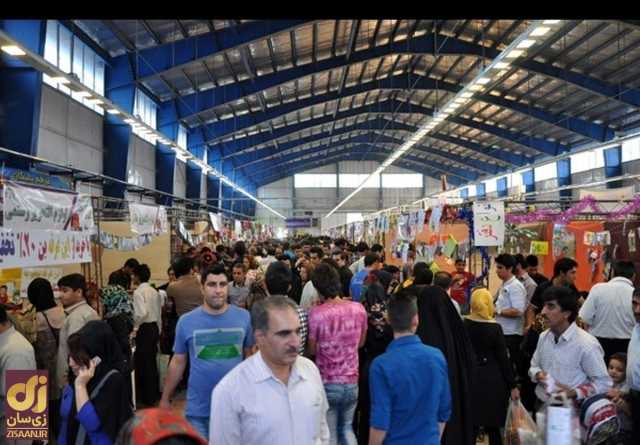
Exhibitions have a history of about 3,500 years, with the Phoenicians in Mesopotamia among the founders of international exhibitions. Exhibitions in their modern form began in the mid-19th century in industrial countries and have since spread worldwide.
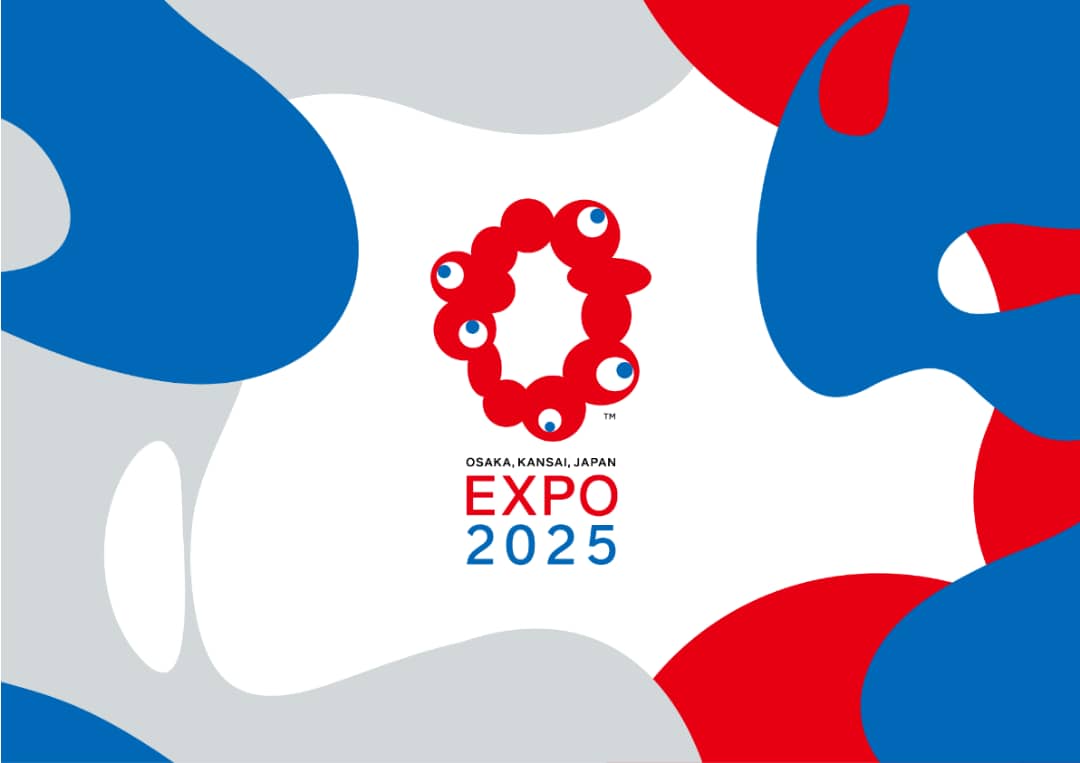
Among all exhibitions, the World's Fair (Universal Expositions), held every few years in different countries under the supervision of the Bureau International des Expositions (BIE) in Paris — also called "expo", from "exposition" — are the most important. An expo takes place every five years, each time in a different country, and is considered the world's third-largest event after the FIFA World Cup and the Olympic Games, earning the title "Cultural Olympics of Nations". It showcases the past, present and future of countries — their social, economic and scientific achievements, cultural heritage and development outlook — making hosting it highly effective for the economic, social and infrastructural development of host cities.